Exploring Aluminium: Properties and Applications


Aluminium, with the symbol Al and atomic number thirteen, is actually a silvery-white, very soft, non-magnetic metal that is the third most abundant aspect (after oxygen and even silicon) and the most abundant metallic within the Earth's brown crust area.
Properties of Aluminium



Lightweight: Aluminium is known for the low density, that is about one-third that of metallic. This makes this a significant material throughout industries where decreasing weight is important.
Rust Resistance: When revealed to air, lightweight alloy forms a slim oxide layer on its surface that helps prevent more oxidation, making it highly resistant to corrosion and rust.
Conductivity: Aluminium is a wonderful conductor of electricity and heat, so that it is ideal for software in power transmitting lines and temperature exchangers.
Ductility: Lightweight alloy is ductile and can be easily drawn into wire or extruded directly into various shapes.
Happening
Aluminium is not really present in a real form in nature due to its reactivity although is instead located combined in over 270 different vitamins, the most frequent being bauxite. The extraction regarding aluminium from bauxite is performed primarily via the Bayer method and the Hall-Héroult process, which are usually used to improve the ore straight into pure aluminium steel.
Applications of Aluminum
Transportation: Aluminium is usually extensively used found in the automotive plus aerospace industries due to its strength-to-weight ratio. It assists that manufactures lighter vehicles and aircraft, which in turn are more fuel-efficient.
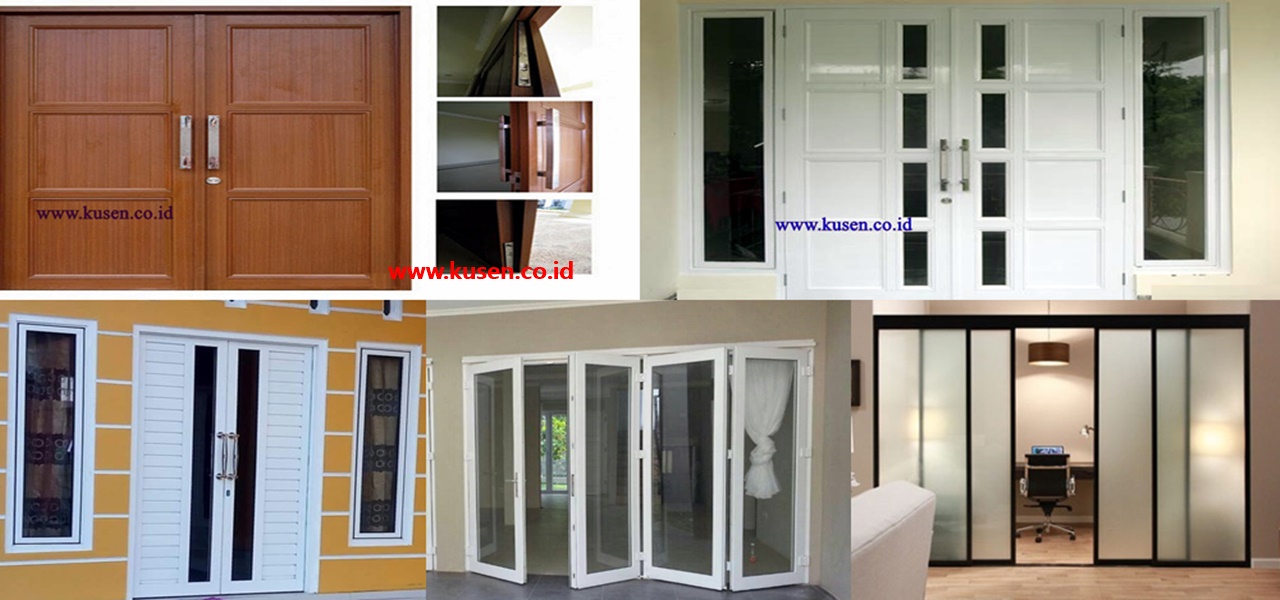
Kusen Aluminium : Due to be able to its durability in addition to resistance to corrosion, aluminium is applied in building facades, window, and entry doors.
Packaging: Aluminium evade and cans are really prevalent in the packaging industry since they provide outstanding barriers to air, light, and wetness, preserving food plus beverages effectively.
Consumer electronics: Its conductivity makes aluminium ideal regarding use in consumer electronics, including wiring and even components for computer systems and phones.
Environment Considerations
Aluminium is usually 100% recyclable without loss of its natural properties, lowering the need for primary aluminium production, which is definitely energy-intensive and involves significant greenhouse petrol emissions. Recycling aluminum saves around 95% of the energy required to make it from raw materials.
Conclusion
Aluminium's unique combination of properties such as lightness, conductivity, and corrosion resistance makes it a crucial element in a wide range of applications. Its extensive use and recycling possible highlight its importance as both the valuable and lasting resource.